Our programme committee carefully selects the speakers for the scientific programme. They operate at the heart of the Dutch Life sciences and make sure to cover all programme tracks. In the run-up to the conference, we ask them to elaborate on their choice of speakers and what they look forward to at NWO Life 2024.
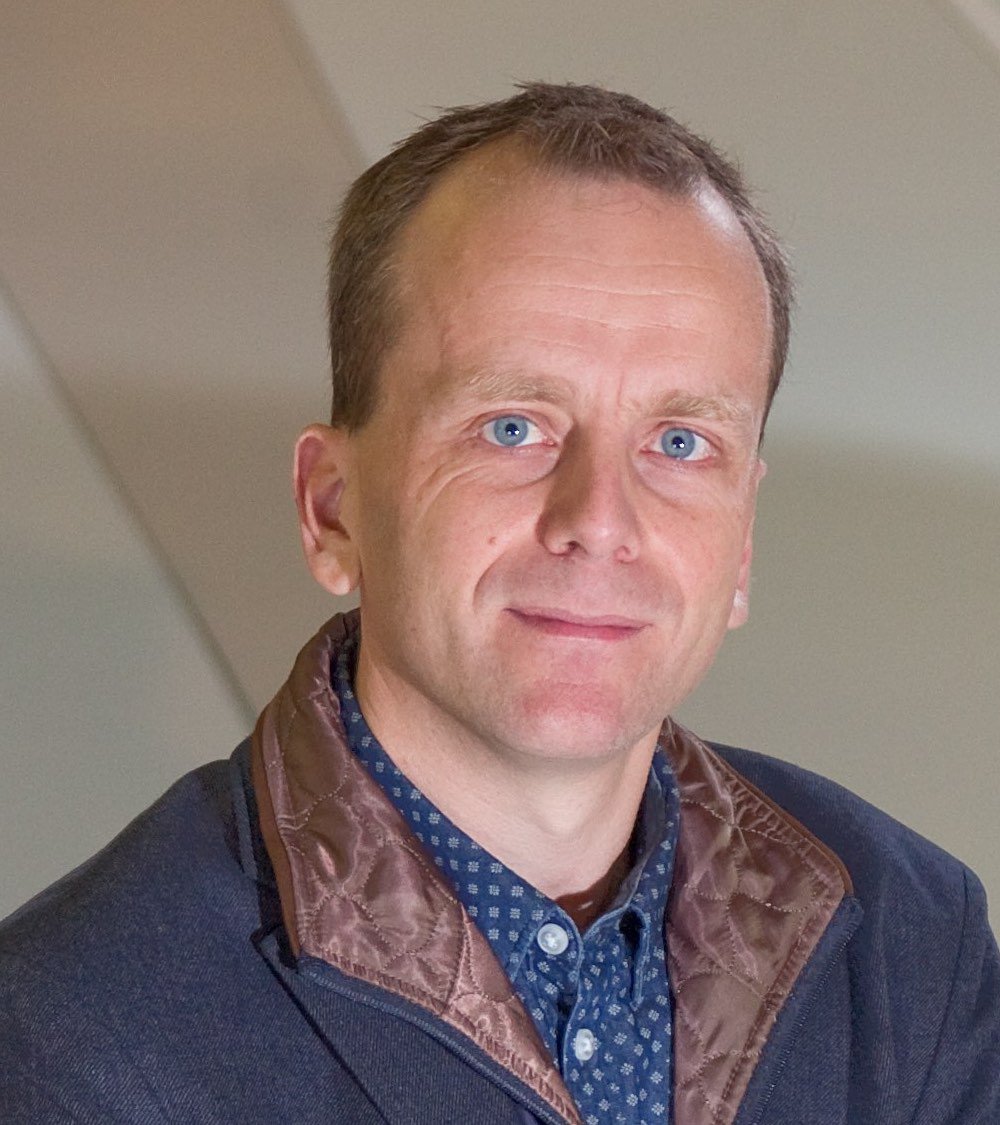
Floris Foijer
Foijer and his team study the relationship between chromosomal instability (CIN) and cancer. CIN is an increased rate of errors in mitosis leading to cells with an abnormal DNA content also known as aneuploidy. CIN and aneuploidy are hallmark features of cancer and associated with a poor patient outcome. Paradoxically, CIN and aneuploidy are toxic to non-cancer cells. This suggests that aneuploid cancer cells have somehow adapted to cope with the downsides of CIN and thus that CIN might provide an attractive target for therapy. The team develops tools to faithfully quantify CIN, e.g. single cell DNA sequencing to map how CIN helps cancer cells evolve towards a more malignant fate. They develop and exploit various model systems for CIN+ cancer to determine the consequences of CIN and aneuploidy.
During NWO Life2024 Floris will speak about cancer:Chromosomal instable cancers circumvent immune recognition
He is at the forefront of both developing innovative methods for fundamental cancer cell research and translating his findings to the clinic.
Behind the speaker
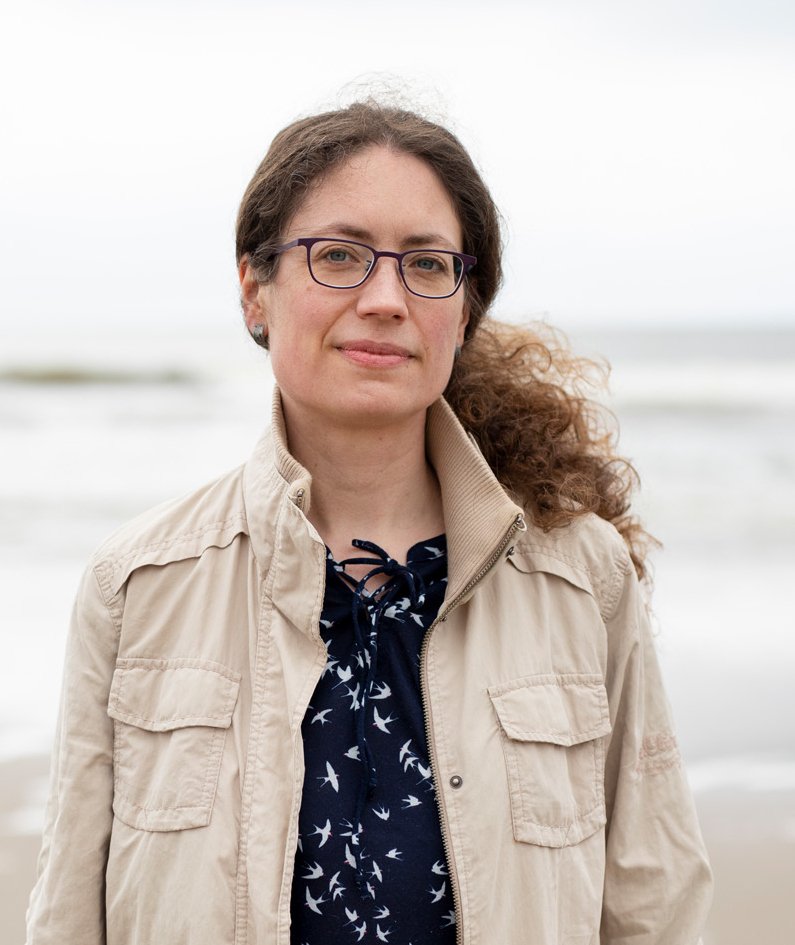
We asked programme committee member Julia Engelmann who she invited to speak at NWO Life2024 and why. We also asked her about NWO Life in general.
Who is Julia Engelmann? 'I am a computational biologist and senior scientist at the Royal Netherlands Institute for Sea Research (NIOZ). I study marine microbial communities, the smallest and most abundant members of the marine food web, with molecular and computational methods. I am particularly interested in microbial interactions, and generating hypotheses about which microorganisms are interacting with each other using statistical approaches such as network modelling. My research spans marine environments from the Wadden Sea to Antarctica.'
Why did you invite Floris Foijer?
‘Together with my partner program committee member of track 1, Bart van Eggen, I invited Floris Foijer from the European Research Institute for the Biology of Aging (ERIBA) of the University Medical Center Groningen (UMCG).
Floris studies chromosomal instability in cancer cell genomes. While normally, chromosomal instability is detected by the immune system and these cells are cleared, some cancer cells can evade this mechanism. Patients with cancers displaying chromosomal instability have poorer outcomes, indicating that chromosomal instability is advantageous for these cancer cells. Floris uses single-cell DNA sequencing and mouse models to develop approaches to selectively kill cancer cells with chromosomal instability. As such, he is a perfect fit for track 1, covering the biology of DNA molecules, cancer cells and consequences for healthy and malignant tissues. '
Why should participants come to NWO Life2024? 'NWOLife is a very special conference spanning all scales and fields in the life sciences. It is a great place to get inspired by presentations and discussions within and outside your research field. Where else can you find such a large variety of science topics, networking opportunities and workshops on different ways of science communication? ’
What are you most looking forward to? 'I am extremely curious about the keynotes. I admire the creativity of Vera Meyer combining her research on fungal microbiology with creating art objects from macrofungi. Ali Ertürk’s work on leveraging Artificial Intelligence to model whole organs and tissues and ultimately improve cancer treatments is also very inspiring to me, as I have a background in computational biology.'