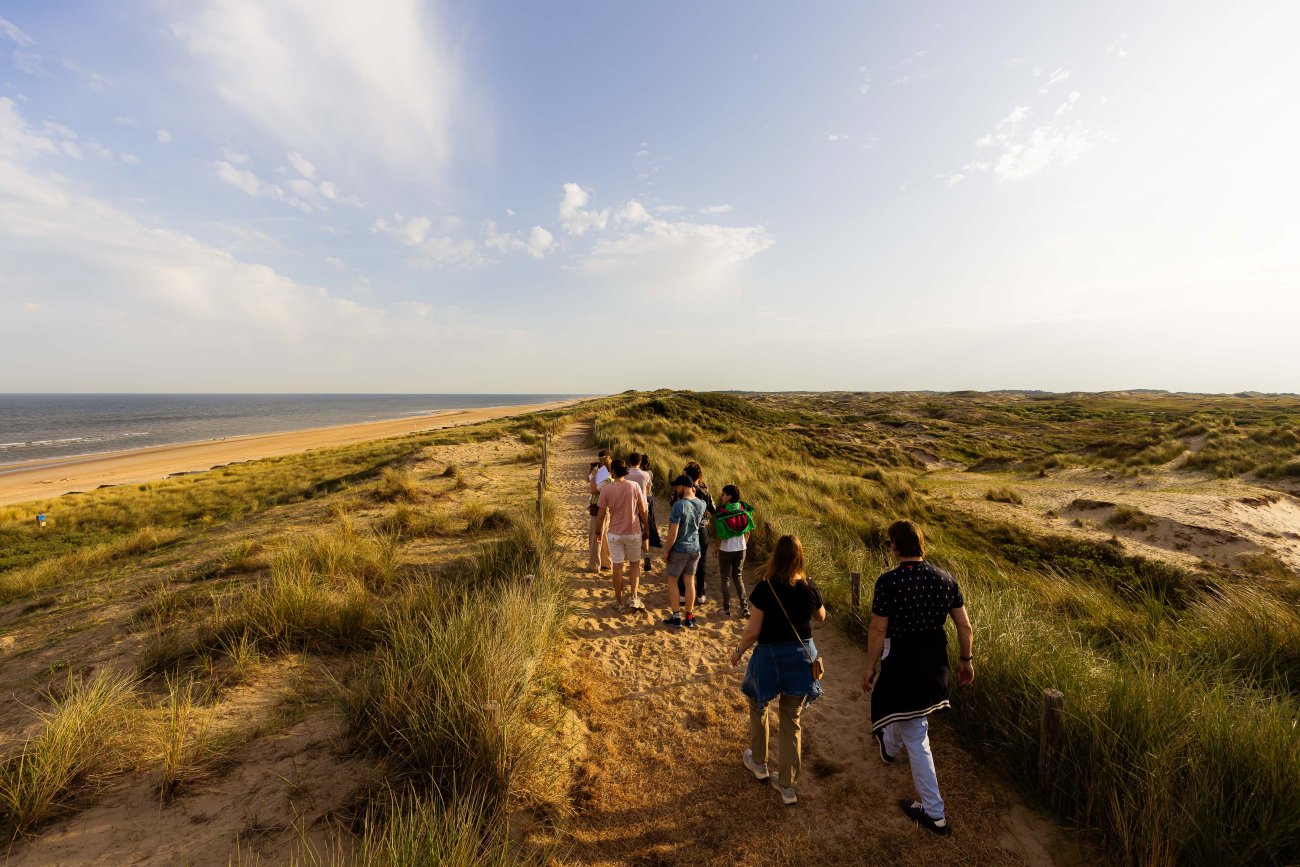
NWO Life2026 brought the life sciences community together at hotel Zuiderduin in Egmond aan Zee. During the conference attendees shared experiences, exchanged ideas, and connected with colleagues from across the life sciences community. After a fruitful strategic evening on Monday, the programme offered an inspiring mix of keynote lectures, interactive workshops, parallel sessions, the exhibition floor and the debut of the new focus sessions. The first day wrapped up with a lively social programme featuring the traditional Bionieuws Pub Quiz, bowling, music, and dancing. For those eager to start the second day energized, a refreshing morning walk through the beautiful dunes provided the perfect beginning.
Although we all work on very different things, innovation happens when we share knowledge. Seeing everyone’s work was both interesting and useful.
Changes in Life
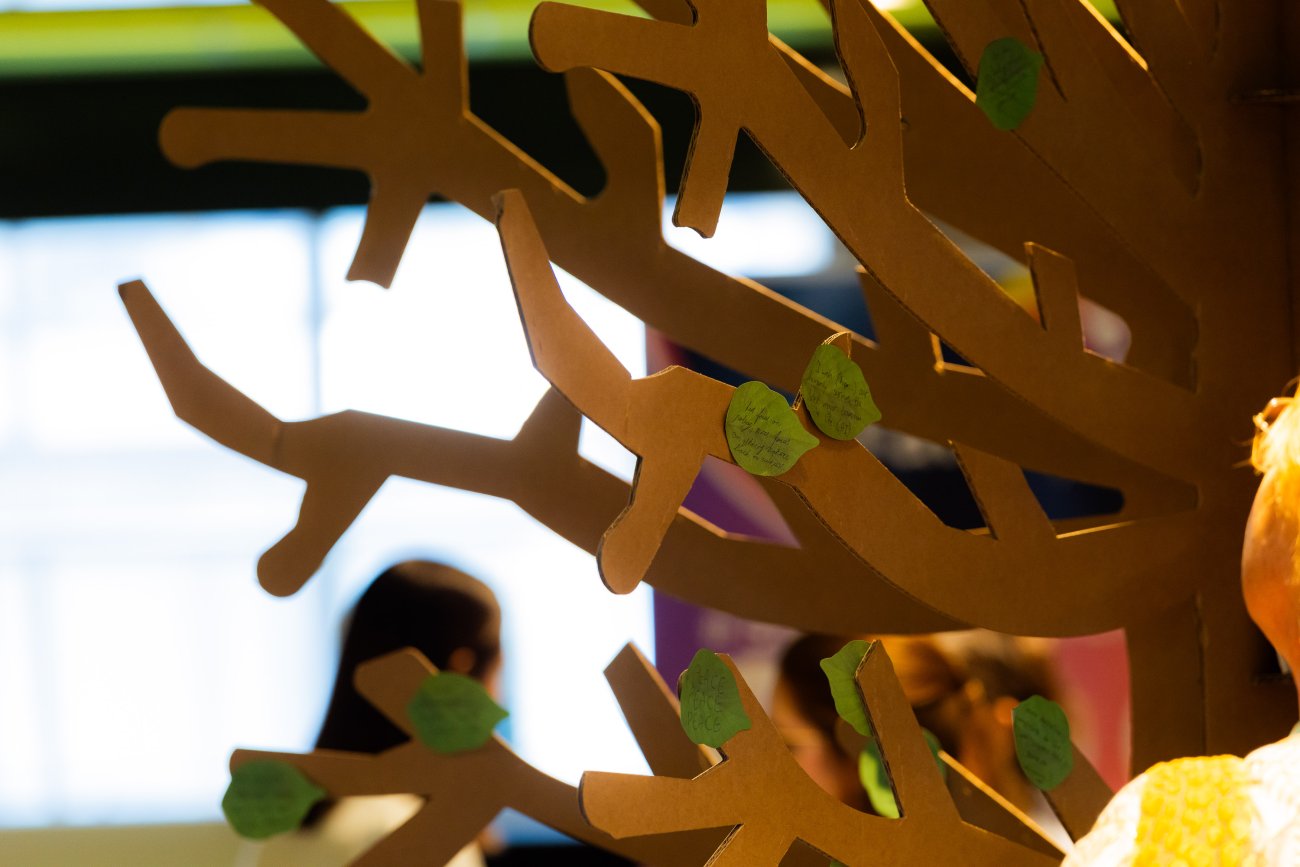
This year’s overarching theme was Changes in Life. To bring this theme to life, participants were invited to reflect on the changes they hope to see in the life sciences in the years ahead. They shared their thoughts by writing them down on green leaf sticky notes and hanging them in the Changes in Life Tree, which gradually blossomed with inspiring ideas, ambitions, and hopes for the future.
Our host this year was Auke-Florian Hiemstra. He is a biologist in the Anthropocene, with the main focus on plastic pollution. While exploring how animals adapt to a plastic world, studying nests and other animal-built structures, he aims to uncover the impact of human-made materials on the behaviour and reproduction of wildlife. As the host of NWO Life he made everyone in the audience feel welcome from the very start and enthusiastically guided participants through the programme, providing lively introductions to the programme’s sessions and keynote speakers.
Inspiring keynote speakers
Following the theme Changes in Life the programme committee selected three inspiring keynote lectures.
Professor Serena Nik-Zainal opened the conference with a keynote highlighting the latest developments in the field of mutational signatures which are patterns of mutations in cancer genomes. These patterns can reveal which biological processes have contributed to the development of cancer. Thanks to the rise of whole genome sequencing (WGS), this field of research has grown significantly over the last decade.
Professor Onur Güntürkün closed the first day with a keynote about the strange twists in the evolution of brain and cognition. Great apes such as chimpanzees are known for their intelligence and have relatively large brains with a large neocortex, the brain region often linked to advanced thinking. Birds like crows and parrots have much smaller brains and lack a neocortex. Yet research has shown that these birds show surprisingly similar intelligence. How is that possible?
Professor Richard Bardgett closed the conference with a keynote focused on soil biodiversity and ecosystem functioning in a changing world. We need to learn about how the complexity of soil supports critical ecosystem functions and their resilience to climate extremes. Richard highlighted how consideration of soil biodiversity helps us better understand climate change impacts and supports healthy, resilient ecosystems.
Serena Nik-Zainal
Onur Güntürkün
Richard Bardgett
Focus sessions
A highlight of this year’s programme was the addition of the focus sessions. The large number of submissions to the call demonstrated a strong interest from the start. Focus sessions bring together multiple invited speakers to explore a specific, interdisciplinary topic. They offer a deeper look into a theme while remaining accessible to a broad audience. There were eight diverse sessions with topics ranging from bio-inspired technologies, to aging- and disease-related research. As well as, the spatial dynamics of microbial life and conservation genomics.
Exhibition floor
Researchers across all career stages presented their latest work, turning poster sessions into a place of vibrant discussions and new insights. The wooden poster boards, designed by Shapeshifters and Spacebenders, gave this year’s poster exhibition a distinctive look and feel. The open and spacious layout provided an attractive platform for more than 100 posters, encouraging interaction and fostering connections among researchers.
Alongside the poster presentations the exhibition floor hosted a dynamic series of demos where researchers showcased hands‑on innovations and emerging technologies. SEFAP hosted the demo: 'Using mini-lakes to study the future of our inland-waters'. Visitors could join the SEFAP Lab Challenge, an immersive digital escape room centered on aquatic research. To escape the lab and silence the system alarms, you had to use your scientific insight to solve puzzles based on real aquatic process data and sample analysis. It focuses on "sharing mesocosm facilities" to pioneer new ways of protecting our water systems.
The exhibitors showcased diverse areas of expertise, enriching the experience with new insights and ideas. Their stands were open for encounters and discussing science or career opportunities.The local bookstore brought an interesting selection of books specifically selected for the NWO Life audience.
We had many engaging interactions with scientists from diverse backgrounds, discussing their research, the collections we have available, and how we can support and facilitate their research
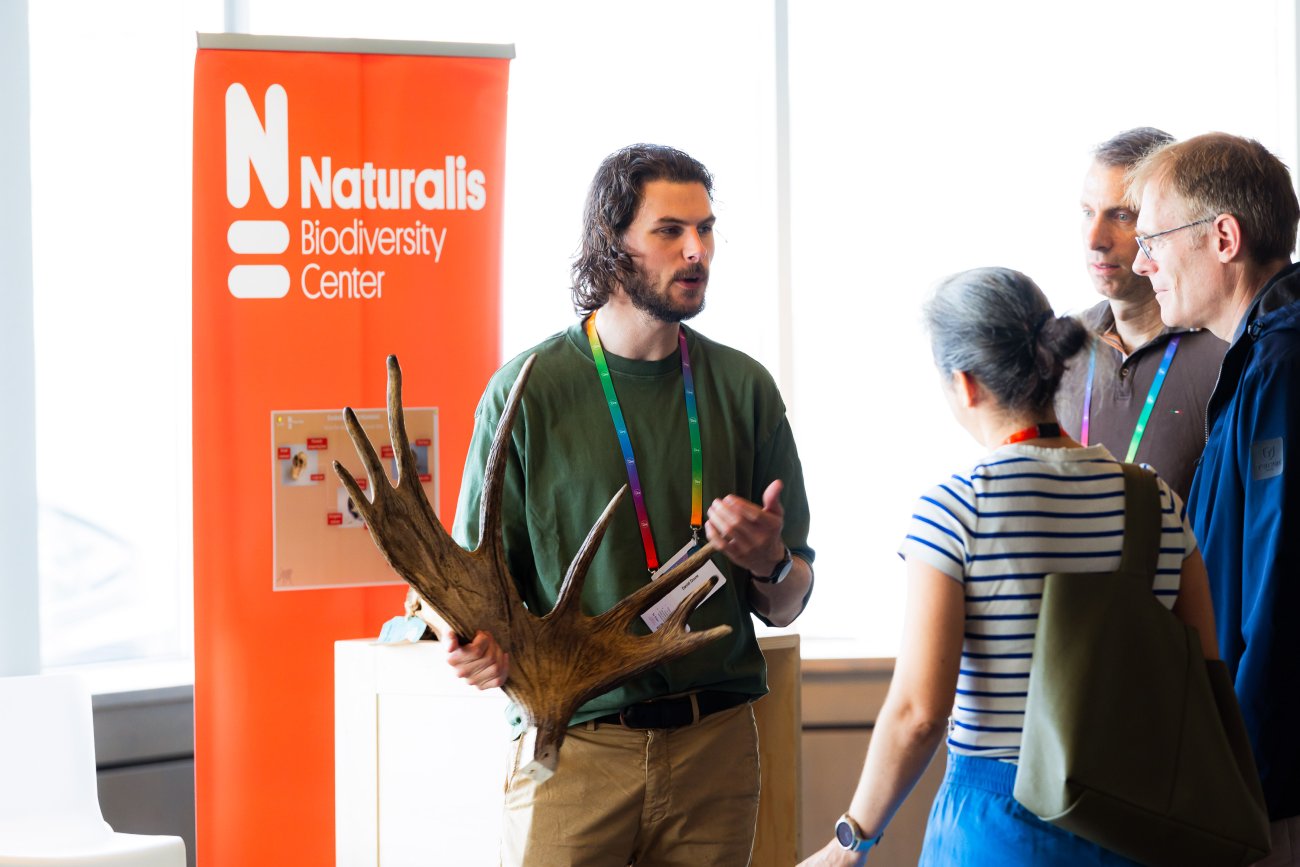
Naturalis Biodiversity Center exhibition
Naturalis Biodiversity Center presented an exhibition about the changes in life over time, using collection specimens to provide a unique insight into this process of development. From primate skulls (monkeys and other apes compare to human) to show changes in size and proportions to how fossilized or old feathers are different from recent ones (the effect of time on preservation). They also showed the variation of antlers during speciation and the erosion of teeth of mammoth and elephants.
Festive evening
After a full day of science and discussion, the social programme provided the perfect opportunity to unwind and socialize. Visitors could test their knowledge during the Bionieuws Pub Quiz and later enjoy an evening of bowling, music, and dancing.
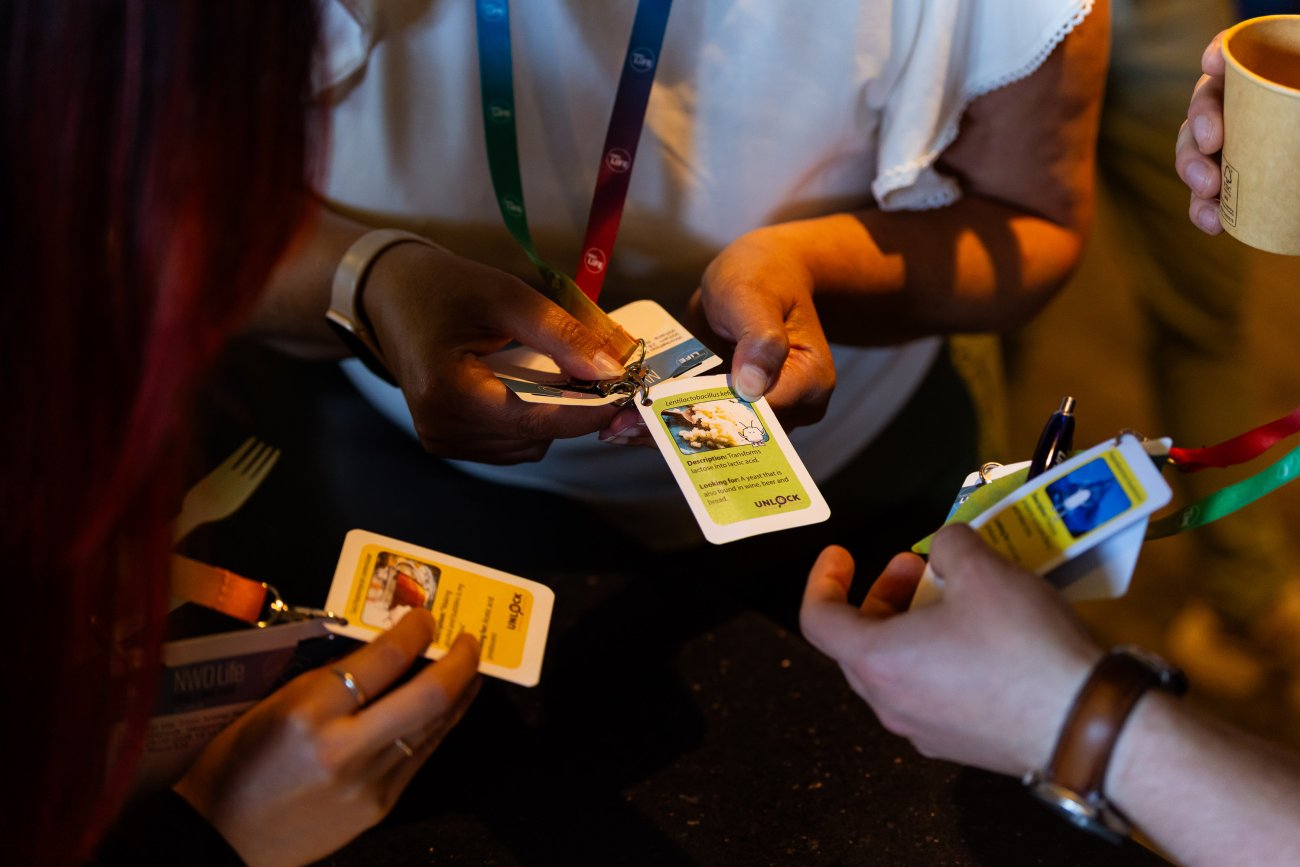
UNLOCK Network Game
To break the ice and encourage networking, UNLOCK offered their Network Game in which visitors took part in a microbial matchmaking challenge. Each participant was assigned to a hidden “triculture” of three and had to find their two microbial buddies throughout the conference.
Poster prizes
During both conference days, participants showcased their work through poster presentations on the exhibition floor and pitches following each parallel session. It was inspiring to see the wide range of perspectives on this year’s theme, Changes in Life.
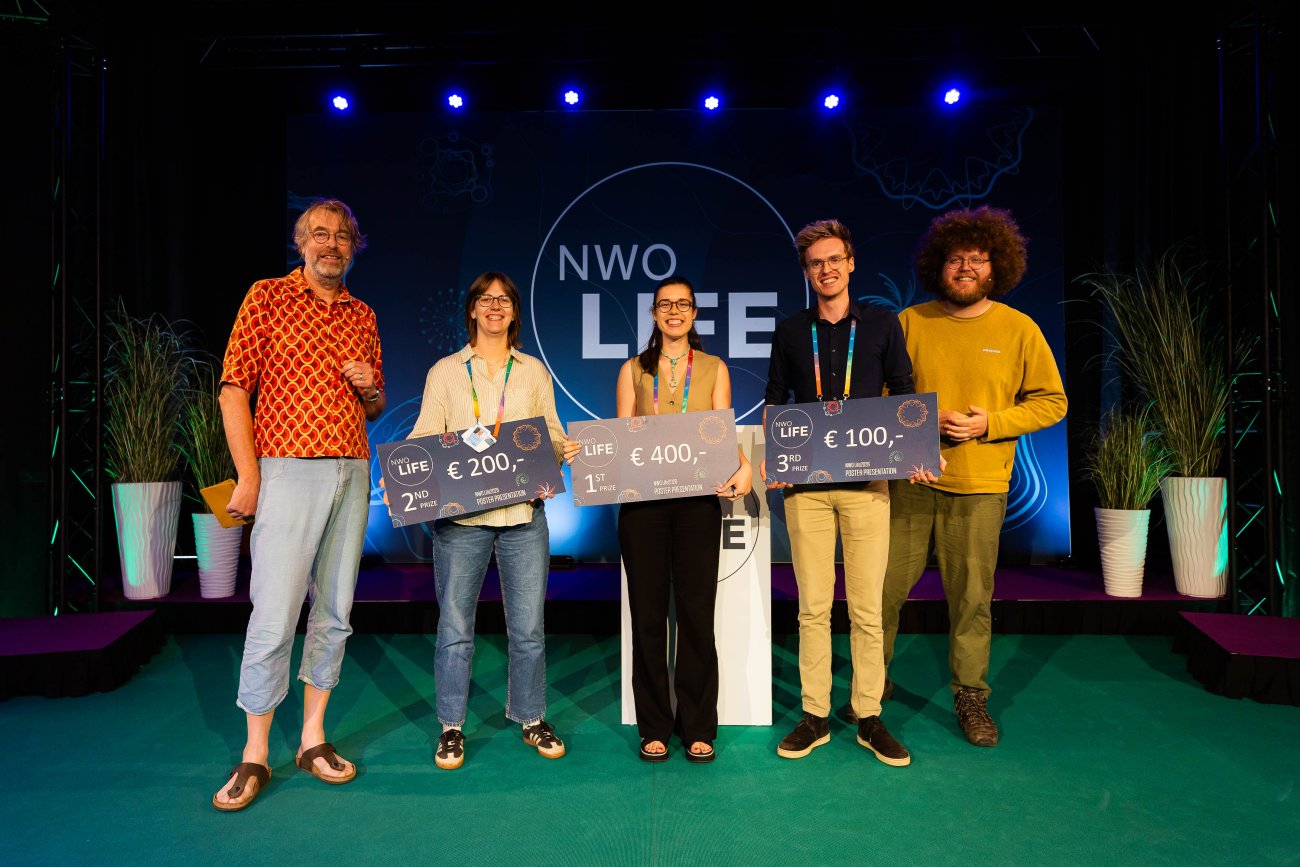
The poster prize winners of this year were:
María Negre Rodríguez (Leiden University): Hitchhiking in the rhizosphere: Bacillus–Streptomyces cooperative root colonization
Jente Zeubring (UMCG): Pantetheine links CoA Metabolism and Zinc Homeostasis in Drosophila melanogaster
Tom de Kanter (Delft University of Technology): Go With the Electron Flow: Decoupling Rate and Yield
And finally…. You!
Thank you for bringing your curiosity, energy and enthusiasm to NWO Life2026! Your presence made this edition a wonderful celebration of life sciences. We sincerely hope to see you next year and hope you had as much fun as we did.